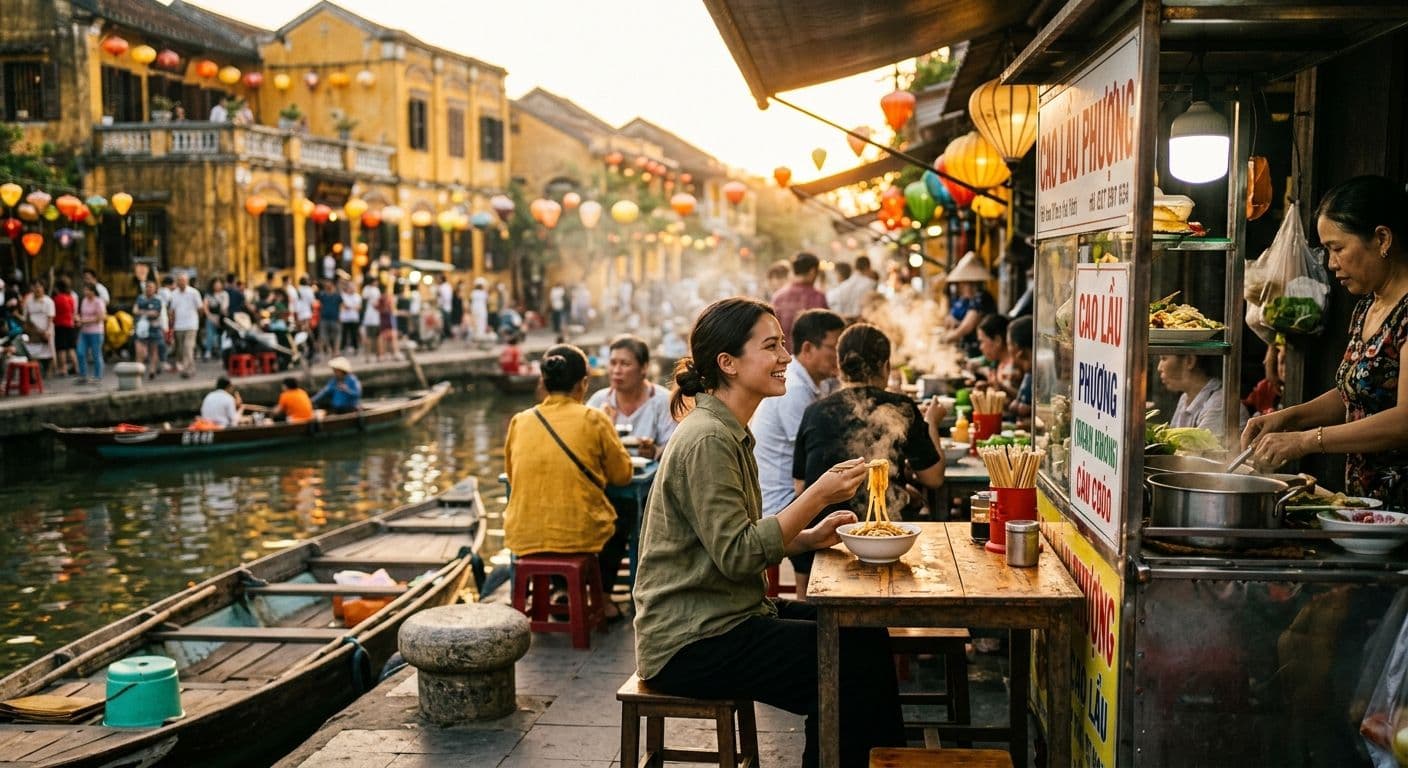
Exploring the vibrant food culture asia offers is a journey into the continent's rich history, diverse traditions, and soul-stirring flavors [1][7]. For global travelers, food is not merely a tool for survival; it is a living map of human migration, cultural exchange, and artistic expression. From the sensory overload of open-air night markets to the quiet precision of ancient tea ceremonies, every bite tells a story.
By understanding the deep-rooted connections between what is on the plate and the people who made it, you can transform your next trip into an unforgettable culinary pilgrimage.
---
The Deep Roots of Food Culture Asia
To truly appreciate the culinary landscapes of this vast continent, one must look past the menu and peer into the past. The eating habits and culinary practices—often referred to by anthropologists as "foodways"—of Asian societies are simultaneously local and global [1]. They reflect the historical impact of trade, migration, and even colonial-era food practices [1][6].
In countries like India, Malaysia, and Singapore, the fusion of local ingredients with external colonial influences created entirely new culinary identities [6]. This historical blending is why you can enjoy a spicy, coconut-infused laksa in a Malaysian kopitiam (coffee shop) or a perfectly spiced curry in India, both of which represent centuries of cultural exchange. If you are planning a culinary expedition through Jakarta's historic districts, securing a trusted local map is just as crucial as having a reliable LOGIN DYNASTY4DTOTO link to navigate your online travel bookings smoothly.
Understanding this history helps travelers see that Asian cuisine is not static. It is a dynamic, evolving canvas shaped by historical events and contemporary global shifts [1].
---
The Street Food Revolution in Southeast Asia
No exploration of Asian foodways is complete without diving headfirst into its legendary street food scene. Across Southeast Asia, selling food on the street is an age-old tradition that plays a vital role in preserving local history and culture [2]. It supports local economies, promotes sustainable, locally sourced food supply chains, and brings communities together [2].
Mainland Culinary Treasures
From the bustling streets of Bangkok to the quiet alleyways of Luang Prabang, mainland Southeast Asian countries offer incredibly distinctive flavor profiles:
- Thailand & Laos: Famous for their balance of sweet, sour, salty, and spicy notes, showcasing fresh herbs, lemongrass, and fiery chilies [5].
- Vietnam: Known for fresh, light dishes like pho and banh mi that lean heavily on fresh aromatics and French colonial baking influences [5].
- Burma (Myanmar): A fascinating crossroads of Indian, Chinese, and Thai influences, resulting in rich, savory salads like lahpet thoke (fermented tea leaf salad) [5].
For many travelers, finding that perfect, life-changing bowl of roadside noodle soup on a humid evening feels like hitting a SLOT GACOR—an unexpected jackpot of pure, authentic flavor.
---
Symbolism, Rituals, and Cultural Heritage on the Plate
In Asia, food frequently transcends physical nourishment to carry profound symbolic meaning [7]. Many dishes are intimately tied to specific festivals, spiritual rituals, and ancestral traditions [7].
For instance, during Lunar New Year, serving long noodles represents the hope for a long and healthy life, while round dumplings symbolize wealth and prosperity. In autumn, mooncakes are shared among families to celebrate unity and the harvest.
`` +-------------------+----------------------------+----------------------------+ | Festival/Event | Traditional Dish | Symbolic Meaning | +-------------------+----------------------------+----------------------------+ | Lunar New Year | Long Noodles | Longevity & Long Life | | Mid-Autumn | Mooncakes | Family Unity & Harvest | | Dragon Boat Fest | Zongzi (Sticky Rice) | Respect for Ancestors | +-------------------+----------------------------+----------------------------+ ``
While many traditional dishes are a vibrant rainbow of spice, color, and intense flavor, travelers often notice that Asian cuisines are sometimes adapted in Western countries to suit local palates [8]. Seeking out authentic preparations when you travel is a powerful way to respect and preserve the true cultural heritage of these dishes [8].
---
Navigating Modern Foodways and Safety Culture
As Asia continues to urbanize and modernize, its culinary landscape is adapting. Today's travelers will find a fascinating contrast between traditional wet markets and ultra-modern, high-tech dining spaces [3].
Along with modernization has come a growing emphasis on food safety culture [4]. Across culturally diverse regions, food safety management is evolving rapidly, combining modern leadership styles with traditional kitchen practices to ensure that both street food stalls and fine dining establishments meet high standards of hygiene [4].
Tips for the Mindful Traveler
- Follow the Crowds: A busy stall with a high turnover of customers is always a green flag for both freshness and taste.
- Observe the Prep: Watch how your food is cooked. High-heat cooking methods like stir-frying in a wok are excellent for ensuring food safety.
- Embrace the Local Etiquette: Whether it is slurping your noodles in Japan to show appreciation or using only your right hand to eat in India, respecting local dining etiquette enriches your cultural connection.
---
Conclusion: Pack Your Appetite
Food is the ultimate universal language. By diving into the diverse culinary traditions of Asia, you are doing more than just feeding yourself—you are participating in a sacred cultural exchange that has been cultivated over thousands of years [2][7].
Are you ready to taste the world? Start planning your next culinary adventure, keep an open mind, and let your taste buds lead the way.
---
Sources
[1] P. Lozada | Understanding Contemporary Asia through Food — https://www.educationaboutasia.org/article/id/1060/ [2] Southeast Asia Street Food : An Intersection of Culture and History — https://www.foodbeverage-outlook.com/food-beverage-insights/an-intersection-of-culture-and-history [3] Asian Cuisine: An Edible Journey from Traditional to Contemporary — https://www.youtube.com/watch?v=nM1gx9L0DPk [4] Global Food Safety Culture: Asia — https://www.food-safety.com/articles/7818-global-food-safety-culture-asia [5] Food Culture in Southeast Asia — https://www.researchgate.net/publication/378358579FoodCultureinSoutheastAsia [6] Food Culture in Colonial Asia | A Taste of Empire — https://www.taylorfrancis.com/books/mono/10.4324/9780203817063/food-culture-colonial-asia-cecilia-leong-salobir [7] Asian Food Culture — https://thespicemerchants.com.au/?pageid=480 [8] Food for Thought: Asian Cuisines, Western Appropriation — https://suitcasemag.com/asian-cuisines-and-western-appropriation/