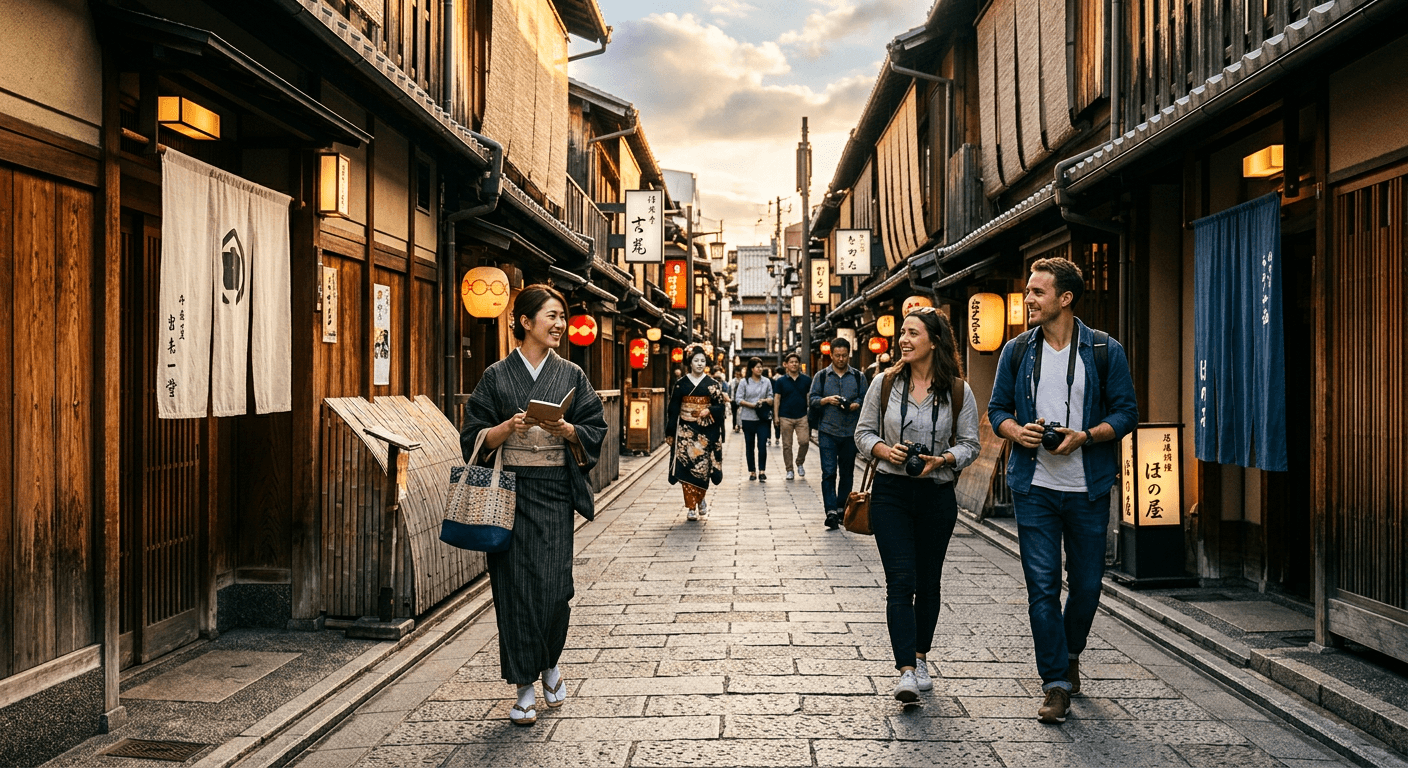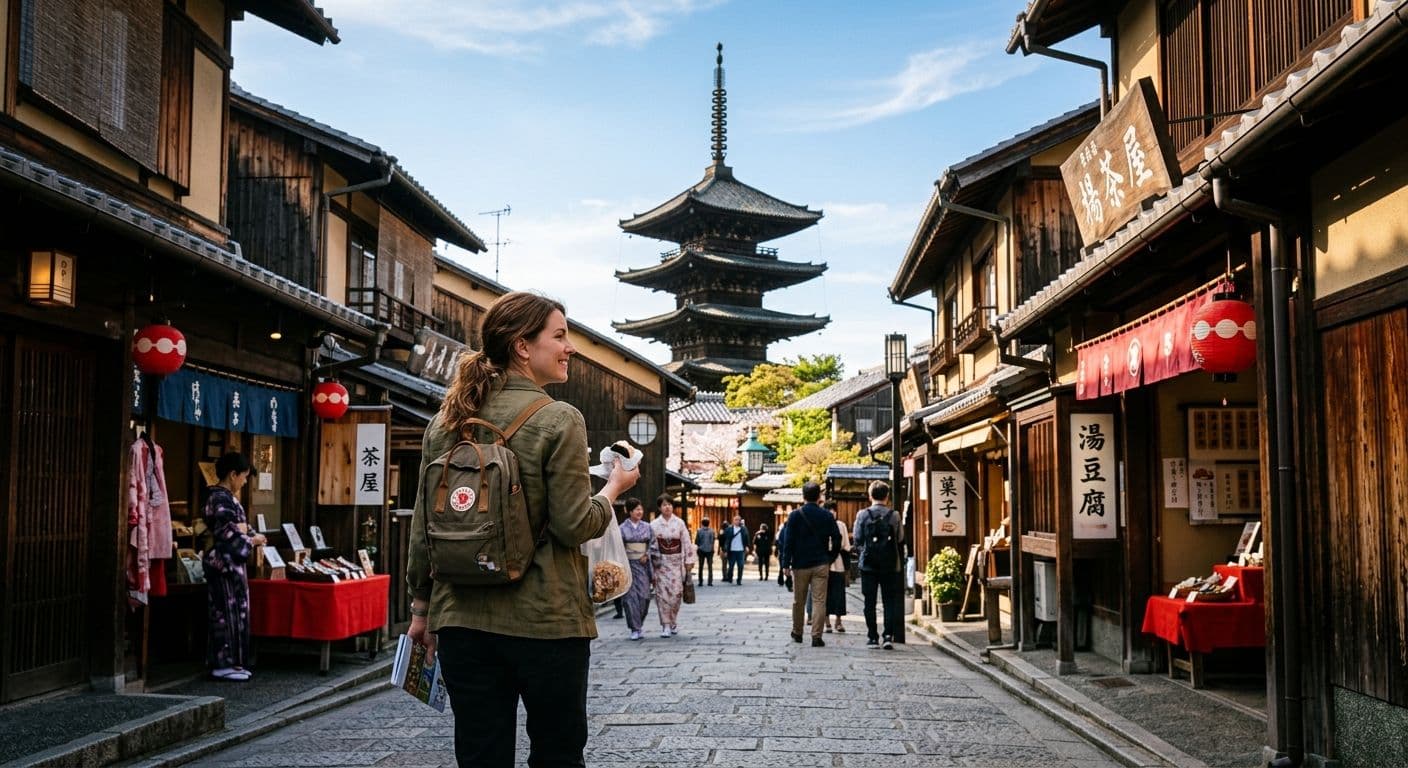
Embarking on a journey with this guide lore chasing snackpacking kyoto style reveals a side of Japan where ancient history and culinary delights walk hand in hand. While Tokyo sparkles like a giant, neon-lit arcade game, Kyoto feels like a massive, peaceful zen garden holding the keys to Japan's fascinating past [4]. Here, the modern world melts away; even the local metro stations play recordings of birds chirping, and public toilets play the soothing music of rushing streams [4]. For the curious traveler, Kyoto offers two incredible, deeply rewarding pursuits: "lore chasing"—unearthing the myths behind centuries-old shrines—and "snackpacking"—backpacking through the city's vibrant food scene one bite-sized street snack at a time [7].
---
The Magic of Lore Chasing in Kyoto’s Sacred Spaces
Kyoto is a living museum, but because its most famous temples, shrines, and scenic spots are spread far apart, you will want to plan at least a three-day itinerary to truly take them in without rushing [6]. Lore chasing is all about slowing down to understand the stories carved into the wooden beams of Kiyomizu-dera, or tracing the vermilion torii gates of Fushimi Inari.
To fully appreciate these historic sites, many travelers look to experienced local experts like guide Andrés Menache to help decode the hidden architectural details, spiritual customs, and historical context that casual tourists might easily miss [2].
However, with great beauty comes great responsibility. When chasing lore in historical areas like Gion, it is crucial to follow local etiquette rules—such as never taking photos of geishas on the streets or filming on private pathways [1]. Being a respectful tourist ensures these ancient traditions remain preserved for generations to come [1].
---
Mastering the Art of a Guide Lore Chasing Snackpacking Kyoto Adventure
You do not need an extravagant budget to experience the absolute best of Kyoto [7]. In fact, traveling as a "snackpacker" allows you to save money on formal sit-down dinners while enjoying a dynamic, interactive culinary journey [7].
While mapping out your daily route, much like checking the results of a DATA DRAW HK to see where luck lands, discovering the best street food stalls in Nishiki Market requires a mix of strategy and spontaneity.
Instead of booking expensive, multi-course meals, a snackpacker relies on the city's incredible array of street stalls, convenience stores, and small casual eateries [3][5]. This approach keeps your budget intact while ensuring you never eat the same thing twice. From fresh seafood market stalls [8] to sweet treats tucked away near bamboo groves, snackpacking turns every street corner into a delicious discovery.
---
Iconic Bites: From Nishiki Market to Arashiyama's Sweet Treats
To truly conquer Kyoto's culinary landscape, you must know where to look. The city boasts dozens of exceptional dining spots, ranging from traditional breakfasts to late-night bites [3].
Planning your snacking schedule can feel like waiting for the live updates of a LIVE DRAW SGP, where timing is everything to catch the freshest dango or hot matcha buns right out of the steamer.
Here are the essential zones every snackpacker must explore:
- Nishiki Market: Often called "Kyoto's Kitchen," this narrow five-block shopping street is packed with fresh seafood stalls [8], skewered octopus, soy milk donuts, and pickled delicacies [5].
- Arashiyama: Famous for its towering bamboo grove, this area is also a haven for sweet-tooth travelers, offering soft-serve matcha ice cream, sweet dango, and savory croquettes [5].
- Fushimi & Gion: After hiking the shrine paths, refuel with local street food classics like yakitori (grilled chicken skewers) or sweet inari sushi, named after the fox messengers of the Shinto god Inari [5].
---
Practical Travel Logistics for the Modern Explorer
Navigating Kyoto is surprisingly straightforward once you know the basics. Most global travelers fly into Kansai International Airport in Osaka and make their way to Kyoto via train [4].
Upon arrival, the easiest way to get around is by purchasing a local transportation card, which you can load up with cash to seamlessly ride the city's trains and buses [4].
Keep in mind that Kyoto's summers can be incredibly hot and humid [1]. If you are visiting during the warmer months, carry a reusable water bottle, wear light clothing, and pace yourself as you walk between the spread-out attractions [1][6].
---
Conclusion
Kyoto is a city that rewards those who travel with open hearts and hungry appetites. By combining the historical depth of lore chasing with the joyful freedom of snackpacking, you will experience the ancient capital of Japan in a deeply personal, unforgettable way.
Ready to start planning your Japanese adventure? Pack your walking shoes, respect the local customs, and prepare to taste the history of Kyoto one bite at a time!
---
Sources
[1] How to Enjoy Kyoto! | What NOT to do as a Tourist & Summer ... — https://www.youtube.com/watch?v=U8m7NSLqnpY [2] Kyoto Through The Eyes Of Guide Andrés Menache — https://www.forbes.com/sites/shivanivora/2026/07/29/kyoto-through-the-eyes-of-guide-andrs-menache/ [3] Ultimate Kyoto Japan Travel Guide: Restaurants, Tips, Fun ... — https://jeremyjacobowitz.substack.com/p/ultimate-kyoto-japan-travel-guide-cba [4] Cultural Foodies' Guide to Visiting Kyoto, Japan — https://culturalfoodies.com/cultural-foodies-guide-to-visiting-kyoto-japan/ [5] 9 Best Bites in Our Kyoto Street Food Guide (2026) — https://japanactivity.com/kyoto-street-food-guide [6] Ultimate Guide To Kyoto In 25 Spots — https://purpurpurpur.co.uk/travel/asia/ultimate-guide-to-kyoto/ [7] Backpacking In Kyoto — https://www.insidekyoto.com/backpacking-in-kyoto [8] The ultimate Wanderlust guide to Kyoto, Japan — https://www.wanderlustmagazine.com/inspiration/kyoto-japan-ultimate-guide/