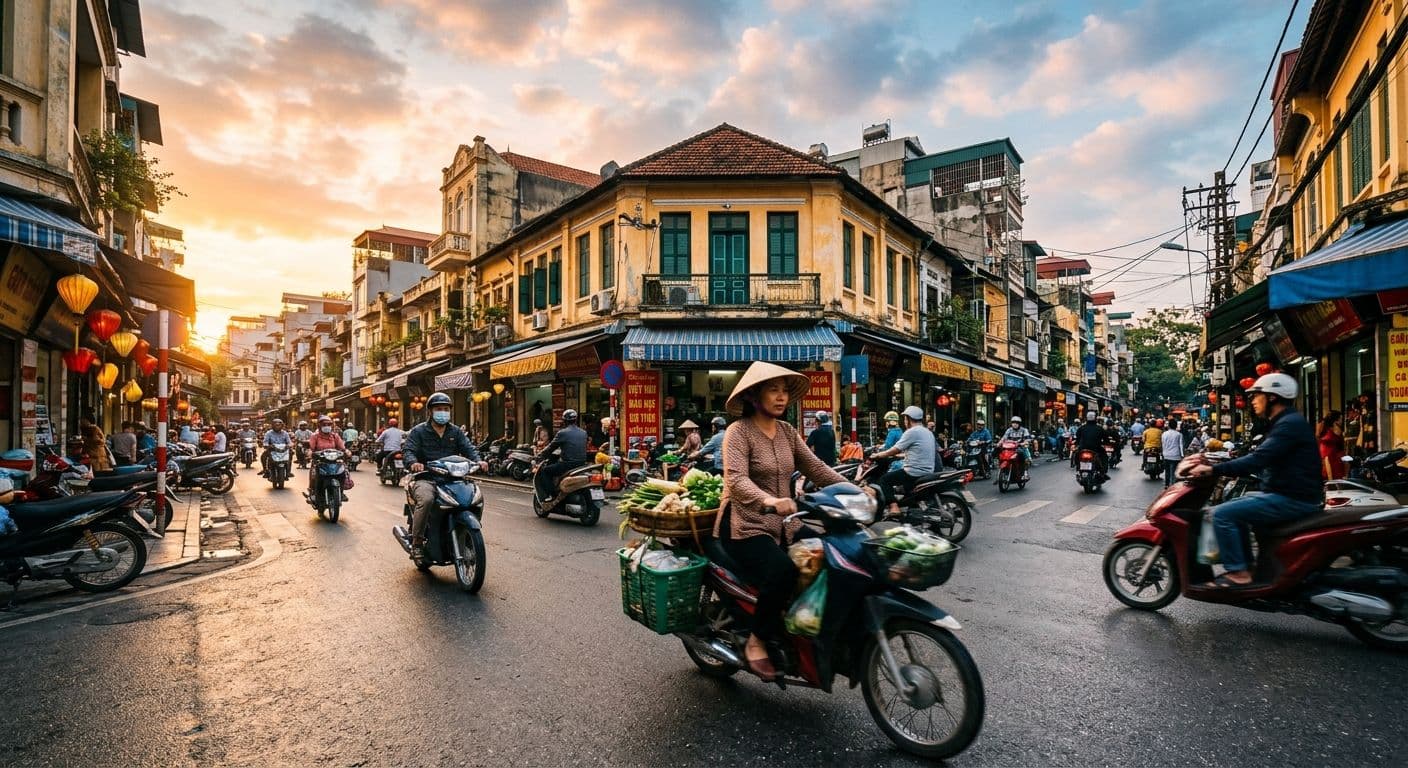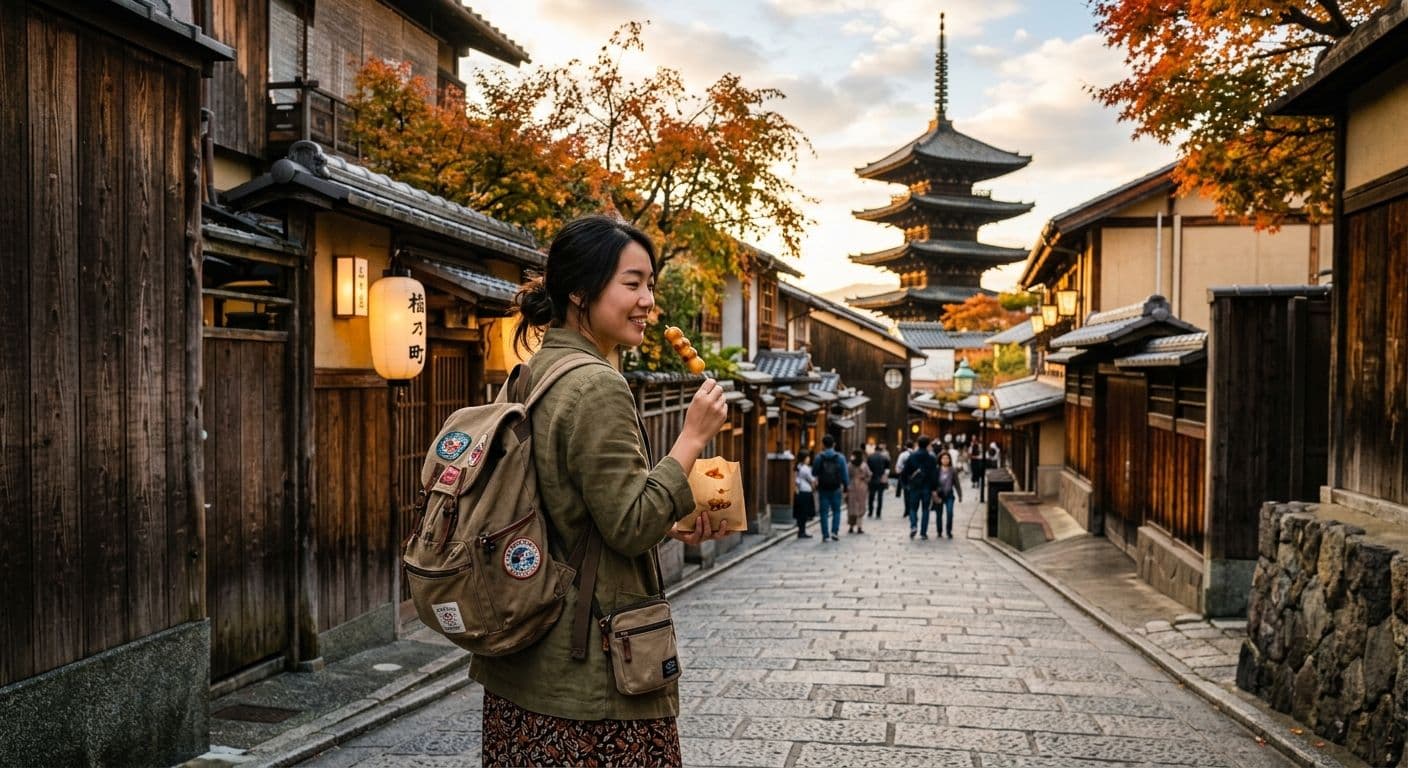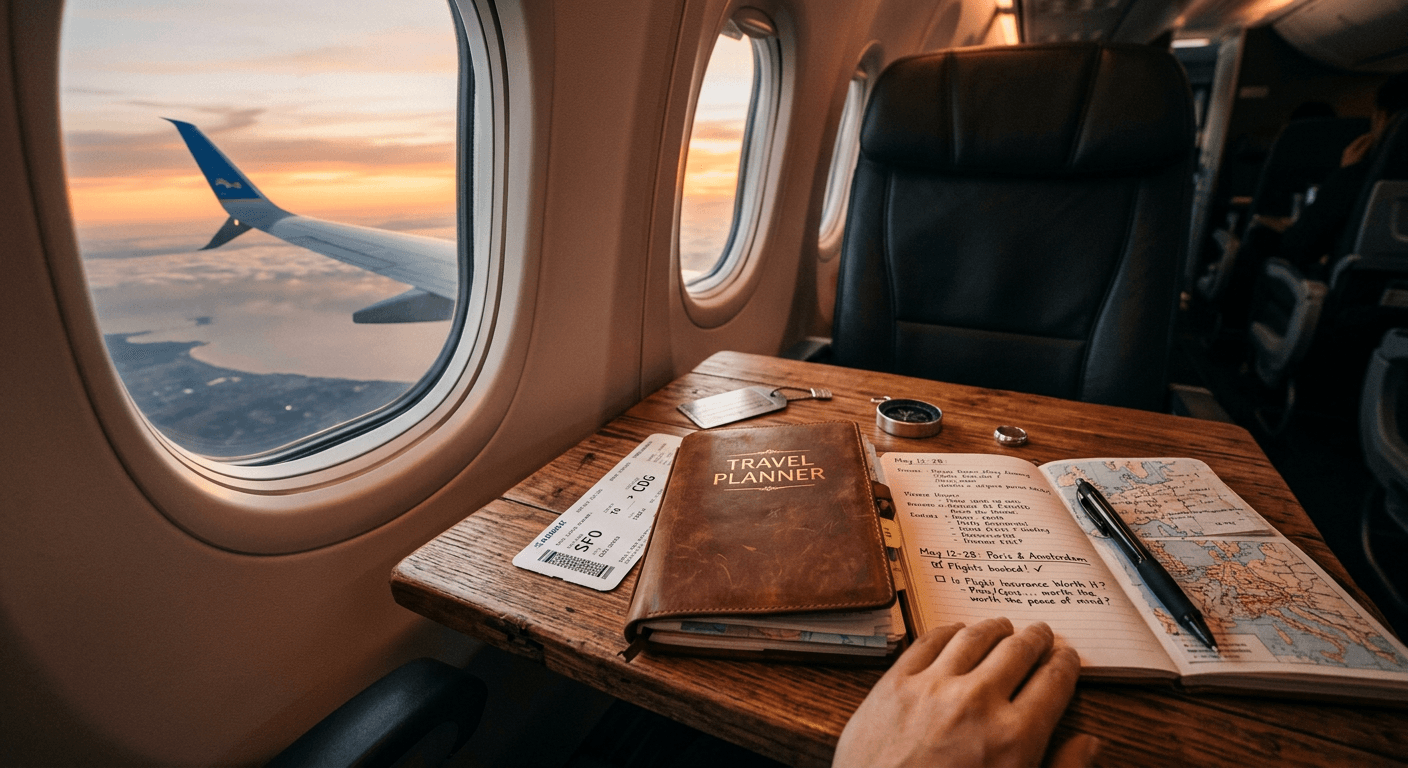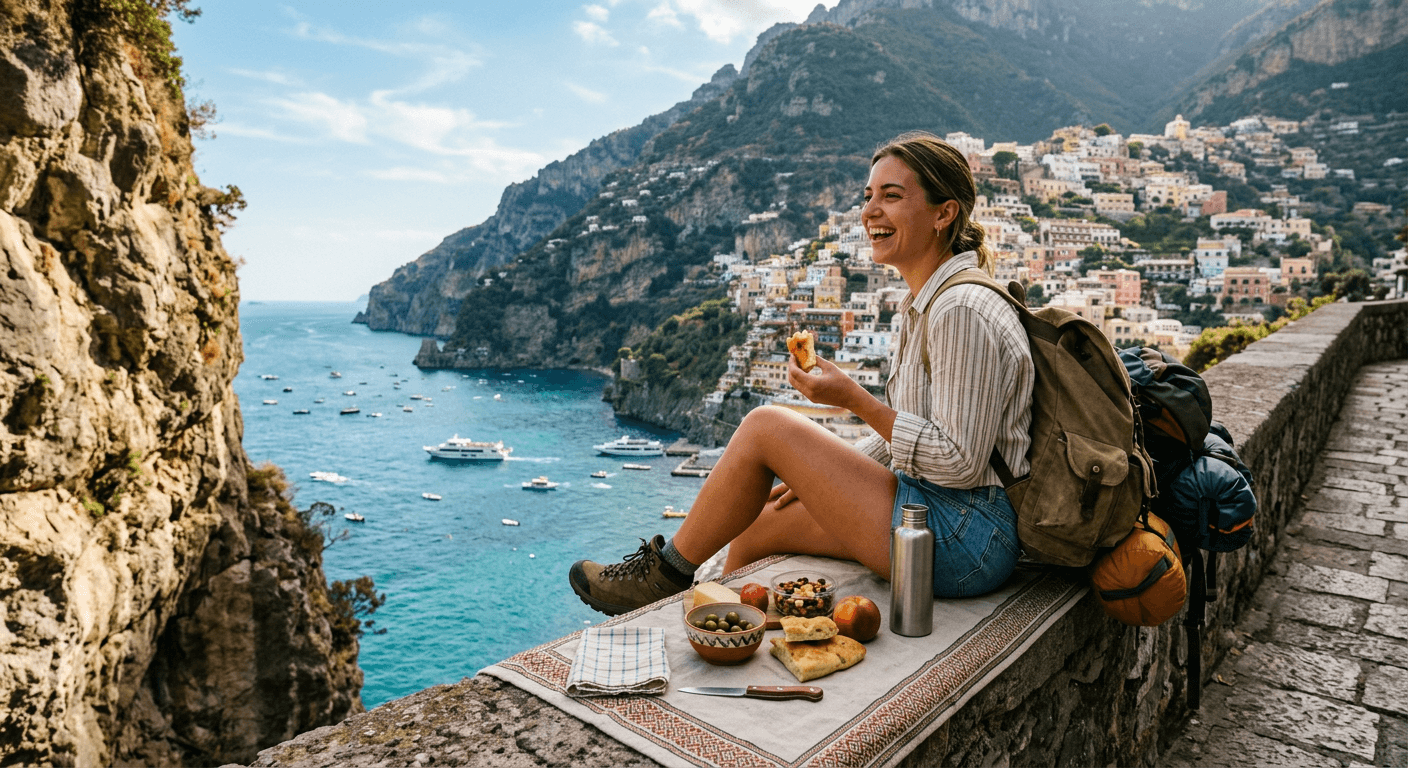
If you want to master snackpacking next european holiday, you are about to unlock one of the most exciting and delicious trends in modern travel. Rather than planning your days around rigid, expensive restaurant reservations, a new wave of food-obsessed travelers is choosing a more spontaneous path [1]. Known as "snackpacking," this style of travel celebrates discovering a new destination through its local grocery stores, corner markets, street food carts, and neighborhood bakeries, allowing you to savor your journey one bite at a time [8].
This isn't just a niche hobby; according to the 2026 Global Travel Trends Report from American Express, approximately 89% of Gen Z travelers are embracing snackpacking as their preferred way to explore [5]. Let's dive into how you can let your taste buds guide your journey and eat like a true local [3].
---
What is Snackpacking and Why is it Trending?
For decades, traditional travel wisdom dictated that a good vacation required booking three-course sit-down meals weeks in advance. Snackpacking flips this concept on its head. Instead of spending hours inside a formal dining room, snackpackers prefer to keep moving, tasting local culture on the go [6][8].
This trend is fueled by food-obsessed travelers who want a more authentic, hands-on connection with local food culture [1]. Rather than visiting tourist-heavy dining rooms, they seek out the everyday culinary habits of locals. This shift has also sparked a massive rise in local food tour bookings, where expert guides lead travelers through bustling markets and hidden alleyways to sample regional specialties [1]. By prioritizing small bites throughout the day, you not only save money but also get to taste a wider variety of what a city has to offer [6][8].
---
Steps to Master Snackpacking Next European Getaway
To truly master snackpacking next european getaway, you need to prepare your gear and understand the rules of the road. Unlike traveling through regions like East and South East Asia where street food stalls are on every corner, Europe requires a slightly different approach to food-on-the-go [6].
Pack a "Snack Kit"
First, prepare a dedicated kit in your daypack. This should include:
- Reusable, lightweight cutlery: A bamboo utensil set or a travel spork [6].
- Collapsible containers: Small silicone food bags or containers that save space when empty [6].
- Beeswax wraps: Perfect for wrapping up leftover cheese, bread, or pastries.
- Sanitization essentials: Hand sanitizer and wet wipes for quick cleanups on park benches.
Learn the Transit Laws
While it is tempting to fill your bags with delicious local delicacies, remember that not everything can stay in your suitcase [2]. There are strict international customs and agricultural regulations regarding carrying fresh meat and dairy products across certain borders [2][4]. Always consume your fresh cheeses, cured meats, and perishable items before crossing international borders to avoid having them confiscated [2][4].
---
Navigating European Grocery Stores and Corner Markets
One of the greatest joys of snackpacking is "grocery store tourism" [8]. European supermarkets and corner markets are cultural goldmines. Whether you are browsing the cheese aisle of a Monoprix in Paris, searching for fresh stroopwafels at an Albert Heijn in Amsterdam, or picking up jamón ibérico at a Mercadona in Madrid, grocery stores offer an affordable and incredibly authentic window into local life.
When planning your daily routes, finding a balance between sightseeing and snacking is key—almost like finding a LOGIN OASIS of calm in a busy transit hub. Instead of buying expensive, pre-packaged sandwiches at train stations, stop by a local bakery (boulangerie, panadería, or panificio) for a fresh baguette, then pop into a neighborhood grocery store for local cheese, fresh fruit, and sparkling water. This simple habit keeps your budget low while elevating your culinary experience [6].
---
How to Avoid Tourist Traps and Eat Like a Local
When you are exploring major European hubs, it is easy to fall into tourist traps. Eating Europe founder Kenny Dunn shares several highly effective food hacks to help travelers avoid these pitfalls and find authentic local flavors [7].
- Avoid menus with photos: Restaurants that display laminated photos of their dishes or translate their menus into five different languages are usually targeting tourists, not locals [7].
- Step away from major monuments: Avoid dining at places situated directly opposite major landmarks like the Colosseum or the Eiffel Tower, as they often charge premium prices for subpar food [7].
- Look for the lines: Observe where local workers and residents queue up during their lunch breaks. Just as lottery players look to the DATA DRAW HK to track winning patterns, savvy travelers track where locals queue up during lunchtime to find the best regional bites.
- Book a curated food tour: If you want to fast-track your culinary knowledge, booking a food tour early in your trip is an excellent investment [1]. A local guide can teach you how to navigate local menus, order coffee like a resident, and identify authentic eateries for the rest of your stay [1][7].
---
Great European Cities for Snackpackers
While you can snackpack anywhere, some European destinations are particularly well-suited for this style of travel due to their vibrant market cultures and portable street foods:
- London, England: Known for its world-class food markets like Borough Market, London is a dream for food-obsessed travelers [1]. You can easily sample everything from British meat pies to international street food in a single afternoon [1].
- San Sebastián, Spain: The ultimate pintxos culture. Here, snackpacking is the default dining style. You hop from bar to bar, enjoying a small bite (pintxo) and a drink at each stop.
- Palermo, Italy: Famous for its bustling historic markets like Ballarò and Vucciria, where you can grab local specialties like arancini (fried rice balls) and panelle (chickpea fritters) on the go.
- Vienna, Austria: Home to the Naschmarkt, a vast open-air market offering falafel, local cheeses, vinegars, and Austrian baked goods.
---
Conclusion
Mastering the art of snackpacking transforms the way you experience Europe. By stepping away from tourist-heavy restaurants and letting your taste buds guide your journey, you will discover unexpected flavors, support local vendors, and create delicious memories one small bite at a time [3][7][8].
On your next trip, pack a reusable bag, step into a local market, and start exploring. What is the first local snack you want to try? Let us know in the comments below!
---
Sources
[1] 2026 Travel Trends: Snackpackers — https://www.getyourguide.com/explorer/travel-inspiration/hidden-travel-trends-snackpackers/ [2] not everything can stay in your suitcase. Meat and dairy ... — https://www.instagram.com/p/DZo14zgEuUL/ [3] Let Your Taste Buds Guide Your Next European Adventure ... — https://www.facebook.com/jenniferfavoriteday/posts/let-your-taste-buds-guide-your-next-european-adventurethe-best-travel-tip-ive-go/1340390198091981/ [4] Planning a Europe trip? ✈️ Save this reel — your biggest ... — https://www.instagram.com/reel/DVEBJy4jIUz/?hl=en [5] sekarang jamannya Snackpacking! Menurut Laporan Global ... — https://www.instagram.com/reel/DXozv3E0OY/ [6] Food-on-the-go tips for Europe travel? : r/Shoestring — https://www.reddit.com/r/Shoestring/comments/1vdeh1o/foodonthegotipsforeurope_travel/ [7] Top 8 Food Hacks in Europe: How to Find Authentic ... — https://zerototravel.com/food-hacks-europe/ [8] Snackpacking: Savor the Journey, One Bite at a Time — https://www.americanexpress.com/en-us/travel/get-inspired/snackpacking/